Hertine: A Friendly Script Font for Your Creative Projects
There’s a particular feeling a project gets when the typography is just right. It’s not always about being the loudest or most complex; sometimes, it’s about finding a typeface with genuine personality. That’s the space Hertine occupies. As a script font, it brings a handwritten, casual warmth that feels both personal and polished. It’s the kind of creative font you reach for when you want to inject a bit of human touch without sacrificing clarity or professionalism.
The Visual Character of Hertine
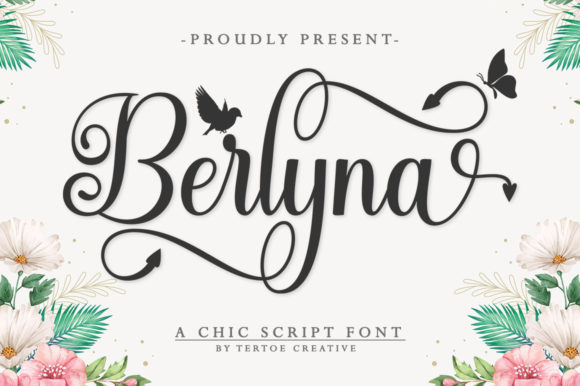
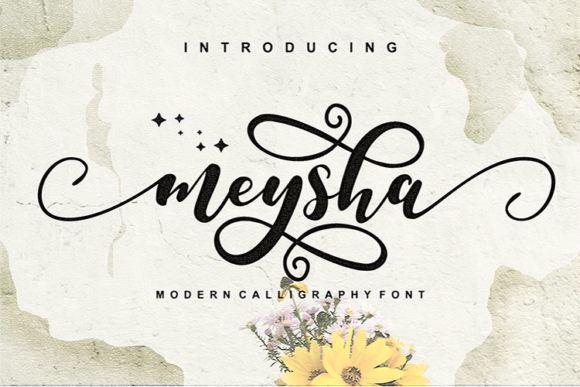
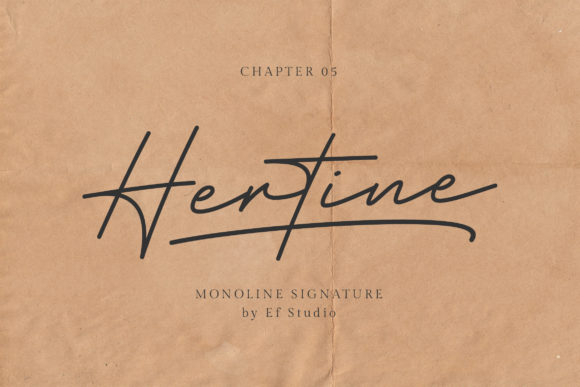
Hertine is a friendly and casual script font. Its strokes have a natural, flowing rhythm, reminiscent of a confident hand with a brush or a broad-nib pen. The letterforms are connected with a gentle, organic flow, avoiding the rigid, mechanical look of some modern typography. This isn’t a formal calligraphic script; it’s approachable and inviting. The unique style comes from its balanced mix of legibility and flair—each character has its own subtle personality, contributing to a cohesive and distinctive whole.
Think of it as the typographic equivalent of a relaxed, engaging conversation. It doesn’t shout; it draws you in. This makes it an excellent display font for headlines, logos, and short bursts of text where you want to establish an immediate emotional connection. Its appeal lies in its versatility—it can feel playful, heartfelt, or sophisticated depending on the context and the colors it’s paired with.
Where Hertine Truly Shines: Practical Applications
The real test of any premium font is how it performs in the wild. Hertine’s strength is its adaptability across a wide range of projects. For brand identity, it can be a secret weapon. Imagine a boutique bakery, a personal coaching brand, or a handmade craft shop using Hertine in their logo design. It immediately communicates approachability, creativity, and a hands-on ethos. Paired with a clean sans serif font for body text, it creates a beautiful contrast that guides the viewer’s eye.
- Marketing & Social Media: In the fast-scroll world of social media graphics, Hertine stops thumbs. Use it for Instagram story quotes, Facebook ad headlines, or Pinterest pin titles. Its handwritten feel adds authenticity to testimonials or promotional messages.
- Publishing & Editorial Design: For editorial design, think chapter titles in a lifestyle cookbook, pull quotes in a magazine feature, or elegant headings on a blog. It adds a layer of warmth that a standard serif font or sans serif font might not achieve.
- Packaging & Product Design: On product labels, especially for artisanal goods, cosmetics, or stationery, Hertine can convey care and craftsmanship. It tells a story before the customer even reads the description.
- Digital & Web Design: Used sparingly and thoughtfully, it can elevate a web design project. Consider it for hero section headlines, call-to-action buttons, or the site title of a personal portfolio. It adds personality without compromising the overall user experience.
- Personal & Commercial Projects: From wedding invitations and greeting cards to business cards and thank-you notes, Hertine is a commercial font that bridges personal and professional needs beautifully.
Guidance for Using Hertine Effectively
Choosing a font is just the first step. Using it well is where the magic happens. Here’s some practical advice for integrating Hertine into your workflow.
Evaluate the Project Fit
Before you commit, ask: Does the tone of my project align with Hertine’s personality? It’s perfect for projects that aim to be friendly, creative, personal, or artisanal. It might not be the best choice for highly technical, corporate, or formal legal documents where neutrality is paramount. Always consider your audience and the message you want to send.
Master the Art of Font Pairing
Hertine rarely works well alone for long-form text. The key to a professional layout is pairing it with a complementary typeface. A classic and reliable approach is to pair this handwritten font with a sturdy, geometric sans serif font for body copy. This creates a clear visual hierarchy: Hertine draws attention to key points, while the sans serif ensures comfortable reading for paragraphs. Alternatively, pairing it with a simple, elegant serif font can create a more traditional, yet still warm, aesthetic.
Review the Included Styles and Readability
A good design asset offers flexibility. Check what styles Hertine includes—does it have alternate characters, ligatures, or multiple weights? These features allow for customization and help avoid repetitive letter shapes, making your text look more authentic. Always test readability at the size you intend to use it. A script font can become difficult to decipher if set too small or used for lengthy sentences. It’s designed for impact, not for reading a novel.
Understand the Commercial Licensing
If you’re using Hertine for client work, products for sale, or any commercial venture, ensure you have the correct license. Reputable foundries provide clear licensing terms. Purchasing a premium font like Hertine supports the creators and gives you the legal right to use it in your projects, which is a non-negotiable part of professional practice.
Ultimately, Hertine is more than just a set of glyphs. It’s a tool for adding a specific, valuable emotional layer to your work. By understanding its character and applying it with intention, you can create designs that feel more human, engaging, and memorable. It’s about giving your projects a voice that’s uniquely their own.