Introducing Prisetine: A Script for Modern Designers
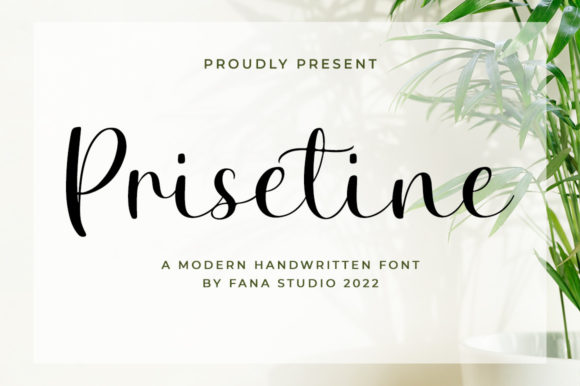
Finding a script font that balances elegance with genuine usability can be a challenge. Many lean too far into historical calligraphy, feeling out of place in a digital context, while others are so casual they lack professionalism. Prisetine strikes a compelling middle ground. It’s a premium font designed with a contemporary sensibility, offering the fluid, personal touch of handwriting without sacrificing the clean lines needed for modern applications. The character shapes feature a natural flow with subtle, refined connections, giving it an authentic yet polished personality.
What sets this typeface apart is its thoughtful construction. The designers focused on creating a script font that feels personal but is engineered for clarity. The letterforms maintain a consistent rhythm, and the spacing is carefully calibrated to avoid the cramped look that plagues many handwritten styles. This makes Prisetine more than just a decorative asset; it’s a functional tool for adding a human element to your work. Its visual character suggests approachability, creativity, and a touch of sophistication, making it a versatile player in any designer’s toolkit.
Where This Script Truly Shines: Practical Applications
The real value of a creative font like Prisetine is revealed in its application. It’s not about using it everywhere, but about using it strategically to achieve a specific emotional or aesthetic response. In logo design, it can establish a brand identity that feels personal and trustworthy, especially for businesses in the boutique, lifestyle, or creative service sectors. Think of a wedding planner’s logo, a handmade jewelry brand, or an independent coffee roaster—the font immediately communicates a hands-on, artisanal quality.
Beyond logos, Prisetine excels in projects where personal connection is key. For invitation design, whether for a wedding, gala, or corporate event, it lends an air of exclusivity and care. In packaging design, it can highlight a product’s handmade nature or premium ingredients, making the item stand out on a crowded shelf. For social media graphics and digital marketing, it breaks through the noise of standard sans-serif text, adding a layer of warmth and personality to quotes, announcements, and calls to action that can significantly boost engagement.
Integrating Prisetine into Your Design Workflow
Adopting any new display font requires a practical strategy. First, consider your project’s core message. Prisetine works best for communications that value warmth, creativity, and individuality. It may not be the right fit for a financial report or a technical manual, but it’s perfect for a blog header, a book cover for a personal development title, or the branding for a creative workshop.
A critical step is font pairing. A script font needs a grounding partner to ensure readability and create clear visual hierarchy. Pair Prisetine with a clean, geometric sans serif font for body text in web design or editorial layouts. This contrast allows the script to headline and attract attention while the sans serif ensures the main content is easy to read. For a more classic feel, it can also be paired with a sturdy serif font, creating a dynamic between traditional and contemporary styles.
When you work with Prisetine, you’re accessing a PUA encoded font. This is a significant practical benefit, meaning all the beautiful alternate characters, ligatures, and swashes are easily accessible in any standard design software without needing special OpenType features. You can simply copy and paste from the character map. This accessibility makes it a powerful tool for adding unique, custom touches to headlines or monograms, helping your brand identity feel truly one-of-a-kind.
A Final Note on Readability and Licensing
Always prioritize context. Use Prisetine for short, impactful text—headlines, subheadings, pull quotes, or logos. Avoid setting long paragraphs with it, as even the most legible script can cause eye strain over large blocks of text. Test your designs at the intended size and on the intended medium, whether it’s a mobile screen, a printed card, or a product label.
Finally, ensure you have the correct commercial license for your project. If you’re using it for a client’s logo, on merchandise for sale, or in widely distributed marketing materials, a standard desktop license may not suffice. Review the license agreement that comes with the font to understand the scope of use, ensuring your beautiful design is also legally sound. By thoughtfully integrating a typeface like Prisetine, you elevate your work from merely functional to emotionally resonant.