Onion: The Sweet Script Font That Dances on the Page
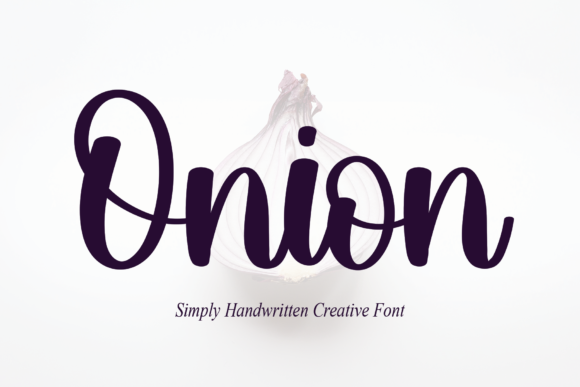
In the crowded world of modern typography, finding a font with genuine personality can feel like searching for a needle in a haystack. You need something that speaks without shouting, that feels luxurious without being pretentious. Enter Onion, a premium font that defies the rigid structures of standard web fonts. It is not just a typeface; it is a visual melody. Described as sweet, whimsical, and flowing, Onion offers a distinct script font aesthetic that brings a human touch to digital and print design. Its characters seem to dance along the baseline, creating a rhythm that guides the eye naturally.
Unlike heavy, static typefaces, Onion is built on a foundation of thin, elegant strokes. This handwritten font style mimics the natural pressure variations of a brush or pen, giving it an organic quality that resonates with audiences seeking authenticity. Whether you are a graphic designer working on high-end brand identity or a small business owner crafting social media graphics, this font offers a versatility that is often hard to find in script styles. It strikes a balance between casual elegance and professional polish, making it a powerful tool in any creative arsenal.
The Anatomy of Elegance: Visual Characteristics
When you first examine Onion, the most striking feature is its fluidity. The letterforms are connected with graceful, sweeping ligatures that prevent the text from looking disjointed. This is crucial for any script font, as poor connectivity can ruin the reading experience. Onion, however, handles these connections with precision. The "sweet" and "whimsical" descriptors come from the soft curves and slight bounce of the letters, which add a playful energy without sacrificing legibility.
The "thin" nature of the font makes it an excellent choice for headlines where you want to convey sophistication. It works beautifully in logo design, particularly for brands that want to project an image of luxury, creativity, or intimacy. Think of high-end bakeries, boutique fashion labels, or artisan craft stores. However, because of its thin strokes, it requires careful consideration regarding background contrast. It shines brightest against clean, uncluttered backgrounds where its intricate details can be fully appreciated.
Strategic Applications: Where Onion Belongs
Understanding where to deploy a creative font like Onion is just as important as liking how it looks. Because it is a display font, it is designed to grab attention rather than be used for long blocks of body copy. Its primary strength lies in short, impactful text elements.
Branding and Packaging Design
For brand identity, Onion provides a memorable signature. If you are developing a logo for a lifestyle brand or a wellness product, this font adds a layer of perceived value. It suggests that care and attention to detail went into the product. In packaging design, it can be used on labels to create a boutique feel. Imagine a candle label or a box of artisan chocolates; the Onion font elevates the product from a commodity to a gift.
Digital Presence and Editorial Layouts
In the realm of web design and editorial design, Onion works exceptionally well for pull quotes, hero section headlines, or feature article titles on blogs. It breaks the monotony of standard sans serif font or serif font usage. For content creators and bloggers, using Onion in graphics or Pinterest pins can significantly increase click-through rates because it draws the eye. It adds a personal, authorial voice to the visual content, making the reader feel a connection to the creator.
Mastering Typography: Pairing and Hierarchy
No font is an island. To use Onion effectively, you must master the art of font pairing. Because Onion is expressive and ornamental, it pairs best with something more grounded and neutral. A classic sans serif font (like Montserrat, Open Sans, or Lato) makes an excellent companion. The clean geometry of the sans serif balances the organic flow of Onion, creating a clear visual hierarchy.
Avoid pairing Onion with another script font or a highly decorative serif font. This creates visual noise and confuses the reader. Instead, let Onion be the star of the show. Use it for the H1 headlines or specific call-to-action phrases, and let your secondary font handle the heavy lifting of body text. This approach ensures your design remains professional and accessible.
Practical Considerations for Professionals
Before integrating Onion into your next project, there are a few practical checkpoints to consider. First, evaluate the commercial font licensing. If you are a small business owner or entrepreneur, ensure you have the correct license for your specific use case—whether it is for physical products, digital templates, or client work. Most premium fonts offer different tiers, so review the terms carefully.
Second, test for readability at various sizes. While Onion is legible for headlines, it may not render well on low-resolution screens or very small print sizes. Always print a test sheet or view it on multiple devices. Finally, explore the full character set. Premium fonts often include stylistic alternates, swashes, and ligatures that can further customize your typography. Taking the time to explore these design assets can make the difference between a standard layout and a bespoke design.
Ultimately, Onion is more than just a typeface; it is a mood setter. It brings a sense of joy and luxury to projects that might otherwise feel sterile. By using it thoughtfully, you can transform your marketing