The Dagoda: Crafting Visual Harmony with a Elegant Script Font
Understanding The Dagoda's Visual Essence
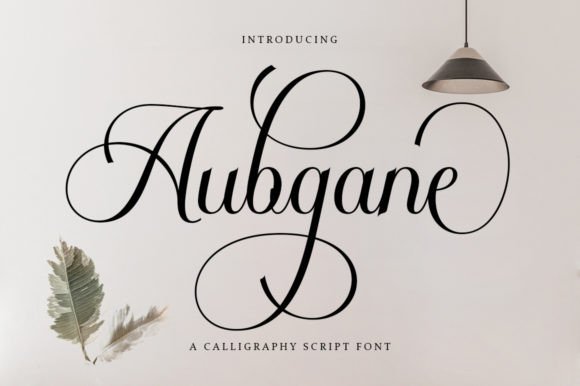
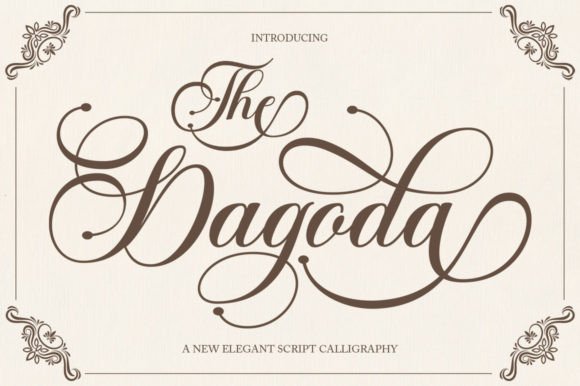
When you encounter The Dagoda, the first thing you notice isn't just its beauty—it's the quiet confidence it brings to a design. This calligraphy script font walks a careful line between ornate and understated. Its alternate characters aren't just decorative; they're thoughtfully designed to create visual rhythm without overwhelming the eye. The letterforms feel handcrafted yet precise, with subtle curves and graceful connections that give text a living, breathing quality.
What makes The Dagoda particularly useful is its dual nature. It carries feminine elegance without becoming overly delicate, and it maintains readability even at smaller sizes—a common challenge with script fonts. The slightly condensed letterforms and consistent baseline create a clean, organized appearance that works across different media. Unlike some calligraphic typefaces that feel stuck in a particular era, The Dagoda has a timeless quality that adapts to contemporary design contexts while retaining its classic charm.
Where This Script Font Truly Shines
Choosing the right typeface for a project often comes down to matching personality with purpose. The Dagoda excels in contexts where you want to convey sophistication, warmth, and personal touch without sacrificing professionalism. Here's where designers and creators find it most valuable:
- Branding and Identity Work – For businesses in beauty, fashion, lifestyle, or luxury markets, The Dagoda becomes a powerful tool in building brand identity. Think logo design for boutique hotels, high-end cosmetics, artisanal bakeries, or wedding planners. The font's elegant character helps establish an emotional connection with audiences who appreciate craftsmanship and attention to detail.
- Editorial and Publishing Design – In magazines, book covers, and internal chapter headings, this premium font adds a layer of sophistication. Romance novel covers, poetry collections, and lifestyle publications benefit from its ability to set a specific mood without competing with imagery or body text set in a clean serif font or sans serif font.
- Packaging and Product Labels – For artisan products, cosmetics, gourmet foods, or specialty goods, The Dagoda communicates quality and care. The font works beautifully on labels where space is limited but personality matters—think wine bottles, candle packaging, or skincare products where the typeface itself becomes part of the product experience.
- Event Stationery and Invitations – Wedding invitations, gala programs, and formal event materials are natural homes for this creative font. Its legibility at various sizes makes it practical for both headlines and smaller text elements like dates and details.
- Digital Presence and Social Media – When used thoughtfully in web design headers, social media graphics, or email templates, The Dagoda helps digital content stand out. It's particularly effective for lifestyle bloggers, influencer brands, and small businesses looking to elevate their visual communication beyond standard web fonts.
Working with The Dagoda: Practical Considerations
Having a beautiful font in your design assets library is one thing—using it effectively is another. Here's how to approach The Dagoda in real projects:
Evaluating Project Fit
Before committing to any script font, consider your audience and context. The Dagoda works best when your project calls for elegance and personal touch. It might not be the right choice for technical documentation or children's materials, but for anything where emotion and sophistication matter, it's worth serious consideration. Ask yourself: does my audience appreciate refined aesthetics? Is the tone of this project warm, personal, or luxurious? If yes, you're likely on the right track.
Font Pairing Strategies
The real magic happens when you pair The Dagoda with complementary typefaces. For body text, consider a clean, readable serif font or sans serif font that doesn't compete for attention. A light geometric sans serif can create beautiful contrast, while a traditional serif font might reinforce a classic feel. The key is hierarchy—let The Dagoda handle headlines, pull quotes, or special elements while your secondary font carries longer text. Test different combinations at actual sizes to ensure the pairing feels balanced.
Understanding the Included Styles
As a PUA encoded font, The Dagoda gives you access to its full character set through standard methods. This means alternate letters, swashes, and ligatures are available without special software. Take time to explore these options—they're not just decorative extras but tools for creating custom typographic compositions. In applications like Adobe Illustrator or Photoshop, you can access these alternates through the Glyphs panel, allowing you to fine-tune letter combinations for specific words or phrases.
Readability in Practice
While The Dagoda is designed with readability in mind, context still matters. For small text sizes or low-contrast situations, consider using it sparingly or ensuring adequate spacing. On screen, test how it renders at different resolutions—what looks perfect in your design software might need adjustment for digital applications. For print, request proofs to verify how the font reproduces at actual size, especially on textured papers or specialty substrates.
Commercial Licensing Clarity
Always verify licensing terms before using any font in commercial projects. The Dagoda comes with specific licensing that governs how you can use it across different applications. If you're designing for clients, ensure your license covers their intended use—whether for printed materials, digital products, or merchandise. Keeping documentation organized prevents headaches later and demonstrates professionalism to clients.
The best font choices feel inevitable—like the text couldn't exist any other way. The Dagoda offers designers and creators a tool that balances beauty with practicality, emotion with clarity. Whether you're crafting a brand identity, designing editorial layouts, or creating special event materials, this script font brings a distinctive voice to your work. Its strength lies not just in how it looks, but in how it makes people feel—and in visual communication, that emotional resonance often matters most.