Almond: A Brush Script for Modern, Expressive Design
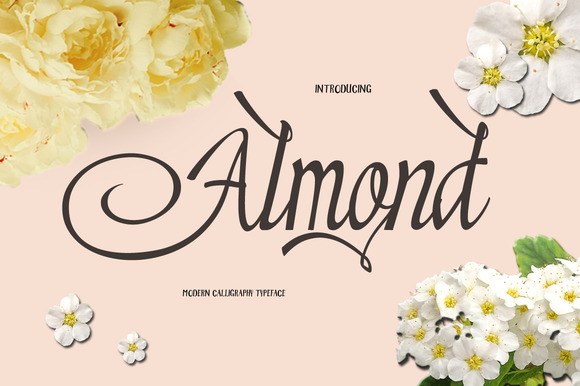
When you're working on a project that needs a personal, human touch—something that feels crafted rather than generated—the right typeface makes all the difference. Almond is a brush script font designed to bring that authentic, handwritten energy to your work. It's not just another script font; it's a modern calligraphy typeface with a distinct personality that balances artistic flair with practical clarity.
Visually, Almond features flowing, connected letterforms with natural stroke variations that mimic the pressure and movement of a real brush pen. The letters have a slight slant, giving them a dynamic, forward-moving rhythm. What sets it apart from overly formal or overly casual scripts is its contemporary feel. It avoids the stiff rigidity of traditional calligraphy and the chaotic looseness of casual doodles. Instead, it lands in a sweet spot: stylish, legible, and full of character. The overall appeal is warm, approachable, and confidently creative.
Where Almond Truly Shines
Understanding a font's strengths helps you deploy it effectively. Almond excels in contexts where you want to inject personality and capture attention without sacrificing professionalism. Think of it as your go-to for making a memorable first impression.
- Branding & Logo Design: For businesses that want to convey creativity, artisanal quality, or a personal connection, Almond can form the cornerstone of a logo design. It's particularly effective for boutique shops, creative agencies, lifestyle brands, and personal blogs. Paired with a clean sans serif font for body text, it creates a compelling visual hierarchy that feels both unique and readable.
- Marketing & Social Media: In the fast-scroll world of social media, a distinctive display font stops thumbs. Use Almond for headlines on Instagram posts, Facebook ads, or Pinterest graphics. Its handwritten style feels native to these platforms and can boost engagement by making your content feel more genuine and less corporate.
- Publishing & Editorial Design: While not for long-form body copy, Almond is perfect for adding emphasis in editorial design. Consider it for chapter titles, pull quotes, or featured article headings in magazines and newsletters. It adds a layer of sophistication and visual interest that a standard serif font might not achieve alone.
- Packaging & Labels: On physical products, Almond can elevate the unboxing experience. It works beautifully on packaging design for artisan foods, cosmetics, candles, or specialty goods. The script style suggests care and craftsmanship, influencing brand perception before the customer even uses the product.
- Events & Personal Projects: From wedding invitations to birthday cards, Almond brings elegance and joy. Its handwritten font quality makes any invitation or greeting card feel personal and celebratory. It's also a fantastic choice for creating custom merchandise like t-shirts or mugs.
Practical Guidance for Using Almond Effectively
Choosing a premium font like Almond is an investment. To ensure it delivers real value for your brand identity or project, consider these practical tips from a design perspective.
Evaluate the Fit: Before you commit, ask: Does this font's personality match my project's voice? Almond's style is modern, friendly, and expressive. It may not be the best fit for a law firm or a corporate financial report, but it's perfect for a yoga studio, a bakery, or a creative portfolio. Always test the font with your actual content—your business name, a key headline—to see how it feels in context.
Master Font Pairing: Almond is a standout script font, which means it should be used sparingly for maximum impact. The key to professional typography is contrast and balance. Pair Almond with a highly legible, neutral typeface for body text. A simple sans serif font like Montserrat or Lato creates a clean, modern contrast. Alternatively, a sturdy serif font like Merriweather or Playfair Display can offer a more traditional, elegant pairing. Avoid pairing it with other decorative fonts, as this leads to visual clutter.
Consider Readability: As with any display font, readability at small sizes is a consideration. Almond is designed for impact, not for setting paragraphs. Use it for headlines, subheadings, logos, and short phrases where its expressive character can be appreciated. For longer text blocks, always choose a font optimized for reading comfort.
Review the Included Styles: A quality commercial font often comes with more than one file. Check if Almond includes stylistic alternates, swashes, or ligatures. These extra glyphs allow you to customize the look further—swapping out a particular letterform to better fit your layout or adding decorative flourishes for special applications. This flexibility is a key part of the value in design assets.
Understand the License: For any commercial project—whether it's a client's logo design, a product you sell, or marketing materials for your business—you need a commercial license. This is standard practice for premium fonts. Ensure you purchase the correct license that covers your intended use, whether it's for a single project, multiple clients, or embedding in a digital product. This protects both you and the font designer.
Almond is more than just a collection of letters; it's a versatile creative font that can become a strategic part of your visual toolkit. By understanding its strengths and applying it thoughtfully across your web design, print materials, and social media graphics, you can create designs that feel cohesive, professional, and distinctly human. It’s a typeface that doesn’t just communicate words—it communicates feeling.