Rookyster: The Modern Handbrush Script for Striking Design
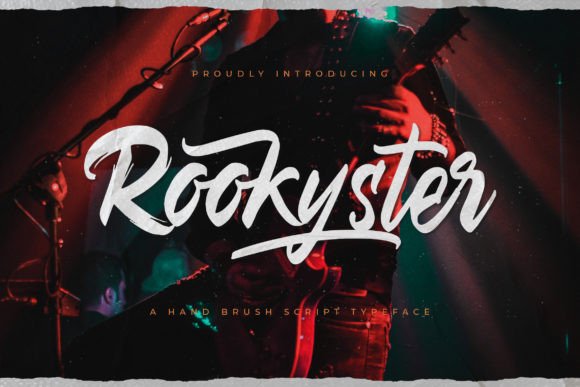
There’s a certain energy a project gets when it uses the right script font. It’s not about mimicking a child’s scrawl or an old-world cursive; it’s about capturing a specific, contemporary human touch. That’s where Rookyster enters the conversation. As a handbrush script font, it delivers a modern feel with an amazing handwritten, yet striking touch. It’s the kind of premium font that feels both personal and polished, making it a versatile design asset for a wide range of creative work.
Let’s be clear about what makes Rookyster distinct. This isn’t a casual, overly loopy script. Its character comes from the texture and rhythm of a brush pen, but with a confident, controlled execution. The letters have a natural flow, with slight variations in weight that give it authenticity without sacrificing legibility. The overall personality is energetic, friendly, and approachable, yet it carries an inherent professionalism. It strikes a balance that many handwritten font styles miss—it feels human-made but refined enough for commercial use. This makes it a strong contender for projects where you want to inject warmth and character without looking amateurish.
Where Rookyster Truly Shines: Practical Applications
Understanding a font’s ideal context is half the battle. Rookyster excels in projects that benefit from a personal, human-centric vibe. Its strengths are most apparent in the following areas:
- Brand Identity & Logo Design: For small businesses, artisan brands, or personal brands, Rookyster can form the core of a memorable logo design. It works beautifully for bakeries, boutique studios, lifestyle blogs, or any venture wanting to convey craftsmanship and approachability. Pair it with a clean sans serif font for body text to create a balanced brand identity.
- Marketing & Social Media Graphics: In the fast-scrolling world of social media, a script font like Rookyster can stop the thumb. Use it for quote graphics, promotional banners, or Instagram stories. Its striking presence makes headlines and key messages pop, increasing engagement and audience recognition.
- Publishing & Editorial Design: Think beyond the main text. Rookyster is perfect for chapter titles, pull quotes, or author names on book covers and magazine layouts. It adds a layer of sophistication and personality to editorial design, especially in genres like lifestyle, memoir, or young adult fiction.
- Packaging & Product Labels: On physical goods, a creative font like Rookyster can elevate the unboxing experience. It’s ideal for product names, taglines, or special edition labels on everything from coffee bags to cosmetic jars, reinforcing a premium, handcrafted feel.
- Event & Stationery Design: For weddings, workshops, or special events, Rookyster brings a bespoke quality to invitations, programs, and thank-you cards. Its handwritten nature makes communications feel more intimate and thoughtful.
Conversely, it’s wise to avoid using Rookyster for long blocks of body copy. A display font like this is designed for impact in short bursts. For extended reading, always pair it with a highly readable serif font or sans serif font.
Making the Right Typographic Choice
Selecting a font is a strategic decision. Here’s how to evaluate if Rookyster is the right fit for your project and how to use it effectively.
First, consider your project’s goals and audience. If your aim is to communicate reliability, tradition, or corporate seriousness, a classic serif might be better. But if you want to evoke creativity, warmth, individuality, and a modern edge, Rookyster deserves a test drive. Its personality should align with the message you’re sending.
Next, explore font pairing. The magic often happens in combination. Because Rookyster is expressive, it pairs best with simpler, more neutral typefaces. Try it with a geometric sans serif for a clean, contemporary look, or with a transitional serif for a more elegant, balanced composition. Test the pairing at various sizes to ensure the hierarchy is clear—the script should command attention for headlines while the secondary font supports comfortable reading.
Always review the full character set and styles included with the font. A quality commercial font like Rookyster will often include alternates, ligatures, and stylistic sets. These features allow you to customize the text, avoid repetitive letter shapes, and add an extra layer of authenticity to your designs. Experiment with these in software like Adobe Illustrator or Photoshop to see the full potential.
Readability is paramount. Before finalizing, view your design at the intended size and distance. Is the headline still clear? Are there any letter combinations that become ambiguous? The goal is striking, not confusing. A quick print test or a mockup on a mobile screen can reveal issues you might miss on a high-resolution monitor.
Finally, ensure you have the correct license for your use. If you’re working on a commercial project—for a client, for sale, or for widespread distribution—you need a commercial font license. This is a non-negotiable part of professional practice that protects both you and the font creator. Reputable foundries and marketplaces will make licensing terms clear.
In the end, a typeface like Rookyster is more than just a collection of glyphs; it’s a tool for shaping perception. By understanding its personality, applying it in the right contexts, and pairing it thoughtfully, you can leverage this modern typography